






Patios, paths, decks, steps, and driveways tend to collect everything a yard can throw at them. Mud dries into dusty patches, leaves stick to damp paving, moss settles into joints, and algae turns shaded corners slick and green.
Reaching straight for a strong cleaner can create a second problem while fixing the first.
Harsh products may scorch grass, stress nearby plants, interfere with healthy soil, or wash into storm drains connected to streams, rivers, lakes, and coastal water.
A gentler approach works better in many everyday situations.
Start with simple physical cleaning, add water when needed, bring in mild soap next, and save stronger products or pressure washing for stubborn buildup.
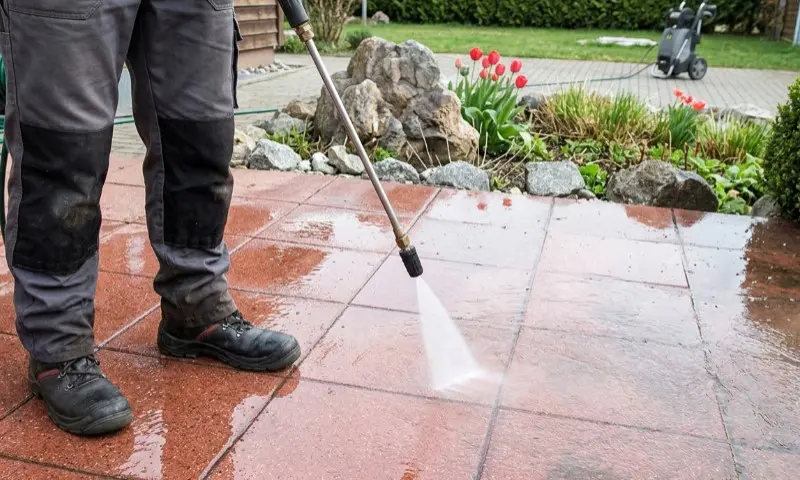
Treat a Pressure Washer Like a Power Tool
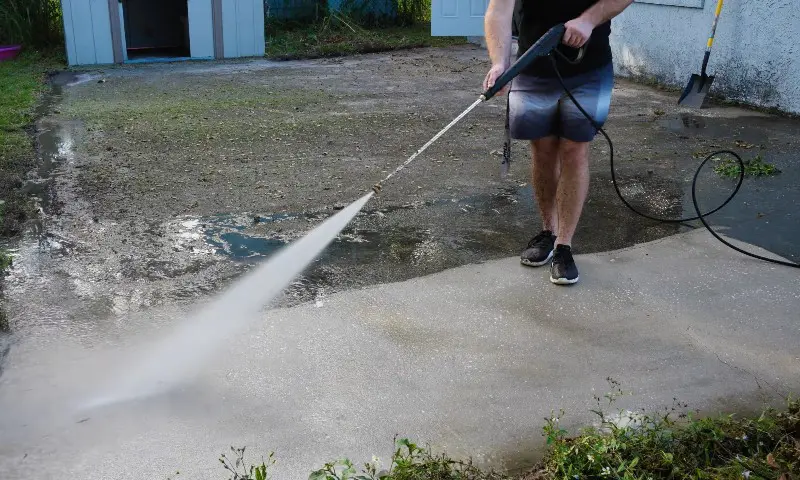
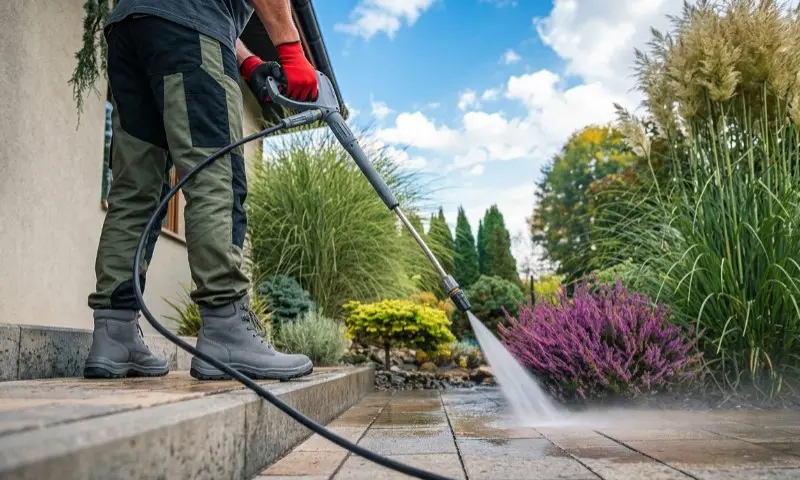
Pressure washers are satisfying to use. Watching years of grime disappear in seconds can make them feel like an obvious first choice.
Homeowners who would rather leave larger jobs to professionals can work with an eco-friendly exterior cleaning company in Fort Wayne that uses biodegradable cleaning agents and takes steps to protect nearby plants and control runoff.
That speed comes with trade-offs.
A powerful jet can strip jointing sand, roughen softer stone, scar timber, mark concrete, and send dirty water racing toward planting beds or drains.
Start low and increase pressure only when necessary. Keep your nozzle moving so one spot does not take the full force for too long.
Paving joints deserve a lighter touch. Spraying directly into them can blast out sand and loosen material that helps keep pavers stable.
Surface type should influence your technique. Older slabs, soft stone, weathered wood, and damaged concrete can react badly to aggressive washing.
Pay attention to what leaves your patio along with water. Runoff can carry more than plain dirt, including:
- Algae and moss fragments
- Soil and fine sediment
- Oil or grease residue
- Old cleaning product residue
- Flaking paint or surface particles
Give Simple Cleaning a Fair Chance

Clear your work area before any water touches it. Move chairs, pots, planters, toys, grills, and decorations aside so dirt has nowhere to hide.
Grab a broom next. Loose soil, leaves, grit, grass clippings, weeds, and dry moss are much easier to remove while dry than after they turn into wet sludge.
Paving joints often need a little extra attention.
Moss and debris packed between stones hold moisture for longer periods, giving fresh growth a comfortable place to settle back in. A scraper or stiff joint brush can pull much of that material out before washing starts.
For ordinary dirt, a stiff brush and warm water may be all you need. A small amount of mild soap can help when grime has bonded more firmly to paving or decking.
A few situations call for an extra step:
- Greasy food marks may need a cleaner made for oil or grease rather than more scrubbing pressure.
- Green biological growth may respond better to a treatment made specifically for algae or mildew.
- Rust marks often need a product suited to mineral staining instead of a general patio wash.
Keep soap use modest. Extra suds do not automatically mean extra cleaning power, and leftover detergent can travel into nearby soil or drains during rinsing.
Pick Products With a Purpose
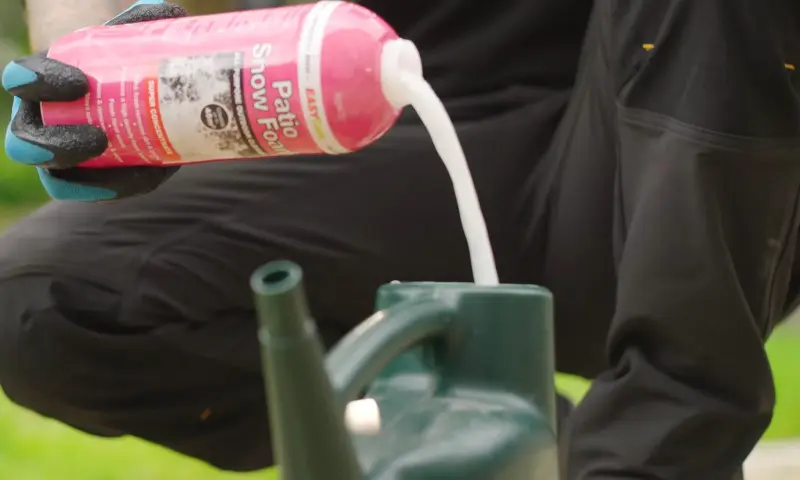
Cleaner shelves can make outdoor washing look more complicated than it needs to be. Plenty of jobs still need nothing more than water and elbow grease.
When a patio cleaner really is necessary, look at its ingredients, intended use, dilution instructions, and warnings before opening it.
Labels describing biodegradable formulas, phosphate-free ingredients, low toxicity, plant-based surfactants, or safe use near planted areas can help narrow your options.
Match chemistry to the actual mess. Throwing one strong formula at every stain can waste product and increase exposure around a yard.
Oxygen bleach made with sodium percarbonate can work on some concrete and deck surfaces. It is often considered for organic staining and general buildup, provided surface instructions allow its use.
Straight chlorine bleach deserves much more caution. Routine use can injure grass and garden plants, disturb soil conditions, and alter color on certain materials.
Vinegar sounds harmless because it is familiar in kitchens, but plants do not share that opinion.
Acidic runoff can damage grass, weeds, flowers, and other vegetation just as easily as it attacks light algae.
Give Grass, Flowers, and Pollinators Some Breathing Room
View this post on Instagram
Cleaning a patio often means working only inches away from living plants. A little preparation can greatly reduce accidental exposure.
Water nearby grass, flowers, shrubs, and garden beds before applying a cleaning solution.
Damp soil and wet foliage can help dilute small splashes if product drifts outside your target area.
Rinse nearby vegetation again afterward when product directions permit. Doing so can wash away small amounts of residue before they sit on leaves or collect around roots.
Flowers deserve special care during active blooming periods.
Bees, butterflies, and other pollinators may visit treated areas shortly after you finish, so avoid spraying blooms or coating vegetation near your work zone.
Weather matters too. Choose a calm day instead of trying to control fine spray in gusty conditions.
Know Where Dirty Water Wants to Go
Water rarely stays politely inside a patio boundary.
It follows slopes, cracks, edging, channels, and low points, carrying whatever you loosened along with it.
Take a minute to watch how water would move before cleaning.
Nearby lawns, vegetable beds, ponds, flower borders, storm drains, roadside gutters, and streams all deserve attention.
Certain warning signs should change your cleaning plan:
- A drain sits directly downhill of your work area.
- Paving slopes toward a pond or garden bed.
- Water pools beside edible plants.
- Rinse water has no practical place to collect safely.
Manual brushing or a very small spot treatment is a better choice when runoff cannot be controlled.
Work in manageable sections instead of soaking a whole patio at once. Smaller areas make it easier to control product coverage, contact time, and rinse water.
Label instructions also matter after application. Some cleaners need a thorough rinse after a set period, while others are meant to dry on a treated surface.
Stick to recommended dilution ratios. Making a cleaner stronger increases chemical exposure and residue, but it does not guarantee cleaner paving.
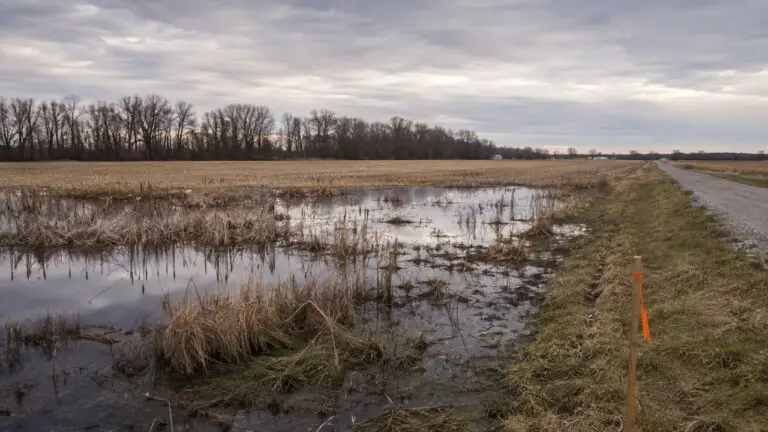
Storm drains need particular care. Water entering many of these systems can reach local rivers, streams, lakes, or coastal areas without going through household wastewater treatment first.
Make Moss and Algae Work Harder to Come Back
A spotless patio can turn green again surprisingly fast if moisture and debris keep returning to the same places.
Prevention is usually less work than another major cleaning session.
Sweep busy outdoor areas about once a week during periods of heavy use. Food crumbs, soil, grass clippings, and fallen leaves all give moisture and organic material more places to collect.
Shady corners need more attention than sunny sections. Brush steps, joints, edges, and damp patches roughly once a month so young moss and algae do not get established.
Rain can tell you a lot about your paving. Check your outdoor surfaces afterward and note any puddles that linger long after nearby areas have dried.
Autumn leaf cleanup matters as well. Wet leaves soften, break down, stain paving, and trap moisture against hard surfaces.
Closing Thoughts
Good outdoor cleaning is less about using maximum force and more about knowing when to stop climbing the intensity ladder.
Perfectly spotless paving is not worth scorched grass, damaged flowers, stripped joints, or contaminated runoff.
Regular sweeping, clear joints, prompt leaf removal, better drainage, and attention to damp areas can keep patios and paths looking cleaner with far less effort.
Small home maintenance jobs now can prevent a much harsher cleanup later.